Food safety and commercial cleaning experts in Brampton support your business in maintaining restaurants, food supply centers, bakeries, warehouses, and mobile food operations in compliance. They sanitize frequently touched areas, food-contact surfaces, equipment, floors, drains, restrooms, and prep areas with approved chemicals, correct concentration, and documented exposure durations.
Key Takeaways
- Brampton sanitation experts service restaurants, grocery departments, commissaries, warehouses, bakeries, schools, mobile vendors, and allergen-sensitive operations.
- Compartmentalized approaches clean high-touch surfaces, food-contact equipment, kitchens, floors, drains, restrooms, and storage areas for preventing cross-contamination.
- Trained specialists confirm proper chemical concentration, suitability, and contact time, then file completion with samples, assessments, and action records.
- Everyday, weekly, and cyclical activities distributed by section form hygiene calendars based on risk, production volume, changeovers, incidents, and guidelines.
- Vendors should have hazard analysis knowledge, health regulatory competency, safety training preparation, insurance, testimonials, color-coded instruments, and inspection-ready sanitation documentation.
Food Safety Cleaning Requirements for Brampton Establishments
Any Brampton facility that handles, stores, prepares, packages, or serves food needs hygiene cleaning. You must implement it if your facility falls under health department oversight, food regulations, or HACCP requirements. That requirement covers food service venues, employee cafes, supply centers, retail departments, meat shops, fish areas, local stores, and institutional food prep areas.
Adherent sanitation standards continues to be necessary in storage facilities, production centers, refrigerated warehouses, bakeries, school nutrition services, event spaces, and delivery hubs. Temporary mobile establishments matter as well, examples being catering vehicles, festival vendors, and pop-up establishments. Your explore article establishment needs documented cleaning protocols if your workers work with ingredients, section ready-to-serve foods, heat finished items, or maintain allergen storage. In Brampton, hygiene stays discretionary; it represents lawful, operational, and customer protection standards.
What Do Brampton Cleaning Professionals Handle?
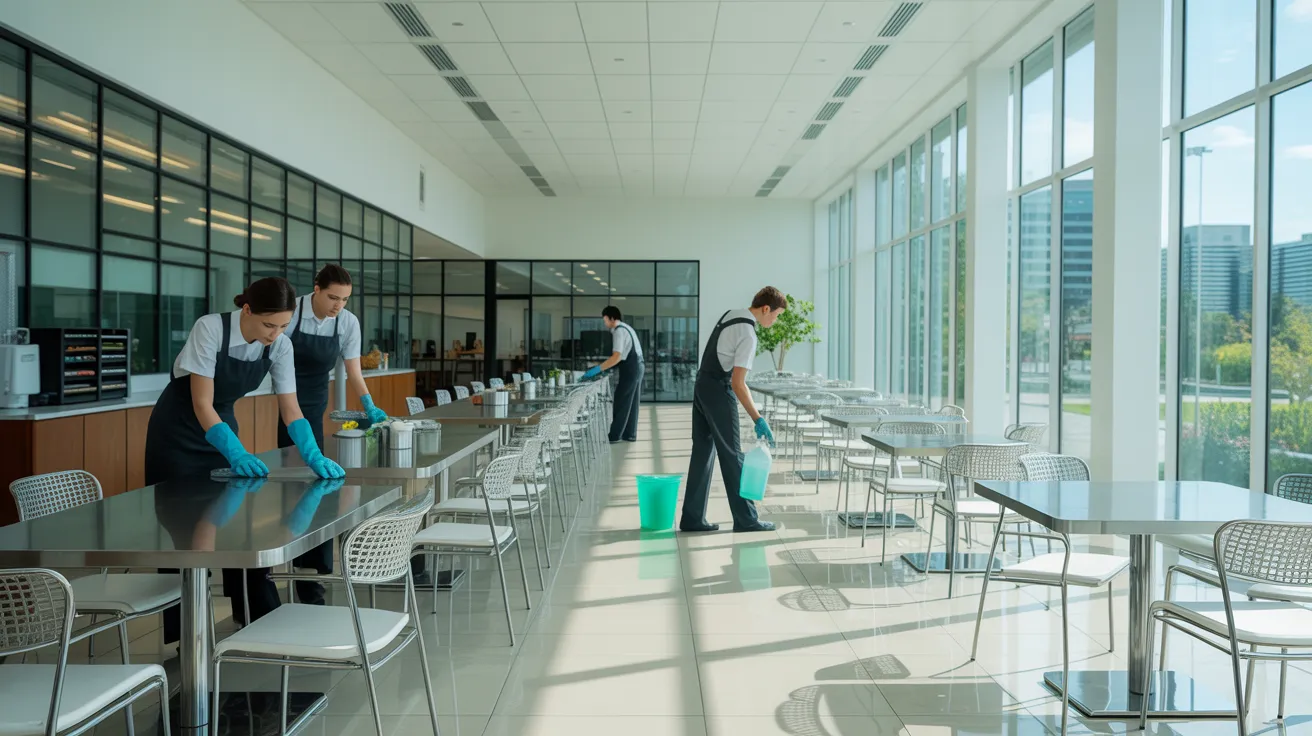
You need professional cleaners who disinfect frequently contacted areas, kitchens, floors, and bathrooms to meet food safety and public health standards. They target these areas because they present the highest risk for cross-contamination, slip hazards, and hygiene violations.
When you understand what they clean, you can verify that your facility's cleaning scope meets operational and regulatory requirements.
High-Touch Surface Cleaning
Skilled Brampton sanitization specialists understand that high-touch surfaces demand cleaning since these areas harbor microbes and organic residue. You must have a written protocol for cleaning frequently touched items like handles, plates, switches, railings, equipment controls, payment terminals, and fridge pulls. Employing touchpoint mapping, specialists determine every commonly touched surface and set cleaning timing
By changing cloths, using sequential systems, and separating disinfection materials by zone, you ensure a verifiable, well-documented, and audit-prepared cleaning protocol.
Kitchens, Floors, and Restrooms
Brampton cleaning professionals will address kitchens, floors, and restrooms since each space presents separate hygiene concerns, slip-and-fall, and community health challenges. In industrial kitchens, you need grease removal from cooking stations, appliance surfaces, drain systems, preparation areas, and backsplashes to reduce contamination and pest pressure.
Floor care that is documented should equally be anticipated. Technicians scrub and extract buildup from tile grout, ceramic surfaces, and vinyl floors, then apply proper moisture management so you can limit falls and meet regulatory standards. They also address entry points where dampness and dirt enter the building.
For restroom sanitation, cleaners sanitize high-touch surfaces, bathroom fixtures, stall dividers, supply dispensers, and trash receptacles, then refill items and eliminate smells. They also maintain restaurant cleaning supply rooms where product storage, sink cleanliness, and drain systems impact daily sanitation standards and worker protection.
How Food Safety Cleaning Benefits Brampton Operations
In Brampton, you must maintain food-safe cleaning standards to meet health code requirements and achieve compliance. You also minimize bacterial spread through proper cleaning of food-preparation surfaces, appliances, and frequently-touched items. Most importantly, you help protect community wellness by reducing the chance of food poisoning in your establishment.
Food Safety Regulations
Since Brampton food establishments must follow rigorous sanitary regulations, your sanitation practices directly impacts your ability to meet health codes, ensure the safety of diners, and prevent regulatory penalties. You must maintain sanitized food contact points, verifiable cleaning logs, correct sanitizer application, and verifiable staff procedures that align with municipal and provincial inspection expectations.
Should your cleaning standards decline, you face citations, corrective directives, brand damage, and operational suspension during additional reviews or enforcement actions.
Contamination Prevention
Following health code standards depends on your ability to prevent cross-contamination in daily food handling and cleaning. You must separate raw ingredients from ready-to-eat foods, sanitize prep surfaces between tasks, and store chemicals away from food-contact items. Clear procedures reduce transfer risks and support consistent compliance during inspections.
You should implement allergen segregation to prevent major allergens from touching shared surfaces, containers, or equipment. Use dedicated cutting boards, color-coded tools, and careful equipment identification so staff don't mix items throughout cooking or serving. Mandate washing hands following raw meat, seafood, eggs, or allergen-containing products. Change cleaning rags frequently, and check disinfectant potency using test kits. When staff members receive training on these procedures every shift, you create a cleaner, safer operation that satisfies Brampton's safety standards daily.
Public Health Protection
When sanitation efforts weaken, you don't only risk a failed inspection—you expand the chance of food contamination striking customers, staff, and the larger Brampton community. You also weaken your role in protecting public health, especially in high-traffic food premises where pathogens travel quickly through surfaces, equipment, and touchpoints.
You must implement sanitation protocols that remove soils, effectively sanitize, and verify results. This entails adhering to exposure times, deploying approved disinfectants, recording schedules, and training employees to fulfill health-unit expectations. These actions support disease prevention by suppressing pathogens before affecting food surfaces or hands. In Brampton, robust sanitation protects at-risk groups, curtails outbreak likelihood, and proves your diligence. When you adhere to proper protocols, you exceed requirements—you meaningfully lower danger and advance safer food handling across the region.
How Does Cleaning Support Food Safety Compliance?
Embracing thorough cleaning protocols solidifies food safety compliance by decreasing contamination threats, limiting pathogen development, and positioning your facility in accordance with sanitation requirements under HACCP-based programs and public health regulations. You ensure that food-handling surfaces remain visibly clean and microbiologically controlled, supporting documented preventive controls and inspection readiness.
Cleaning strategies additionally amplify allergen management by removing residues that can provoke undeclared allergen exposure.
When Ought You Arrange Commercial Cleaning?
surfaces can collect contamination
Plan your periodic tasks from standard cleaning
What Should You Look For in Brampton Cleaning Experts?
Evaluate providers first by food-safe sanitation requirements rather than price alone. You must ensure each provider understands CFIA, public health, and HACCP-aligned expectations for your business. Request proof of insurance, WHMIS compliance, staff training documentation, and supervision methods. Check technician awareness of cross-contamination risks, chemical handling, and documented sanitation practices.
You should further examine service consistency and accountability. Request testimonials from Brampton food businesses, then review reply speed, corrective action plans, and communication protocols. Validate the company supports supplier audits and can supply compliance documentation to authorities or external parties. Confirm equipment is maintained, colour-coded tools are applied correctly, and site-specific hazards are recognized. A qualified provider protects compliance, product integrity, and your brand reputation.
What does a cleaning and sanitation plan encompass?
Put together a written program that clarifies every sanitation task, standard, and responsibility ahead of production commencement. You should specify cleaning intervals, permitted substances, dilution percentages, exposure times, instruments, and inspection methods for each sector, surface, and equipment. Make sure to include pre-operational inspections, corrective actions, and employee training requirements.
Your program should also address contamination prevention, garbage management, pest control procedures, and recorded timelines for restrooms, drains, floors, and food-contact areas. Detail how you'll separate raw and ready-to-eat processes, support ingredient tracking, and ensure accurate allergen labeling through validated cleaning between product changes. You should designate accountability, maintain signed records, and review results against regulatory standards, HACCP controls, and customer requirements. When gaps appear, update procedures immediately and retrain staff.
Popular Inquired Inquiries
Can cleaning services support overnight shifts in Brampton facilities?
Yes, you can set up cleaning services to handle overnight shifts in Brampton facilities. You'll arrange nighttime cleaning around production schedules, security controls, and personnel requirements. Services typically outline overnight procedures to prevent disruption, copyright compliance, and document finished tasks. You should confirm timeframes, management, access procedures, and waste management before service starts.
Will sanitation professionals address hazardous incidents?
Yes, you can expect Brampton cleaning experts who provide emergency spill response solutions. They manage hazardous materials, evaluate dangers, contain contamination, and begin swift cleanup to minimize risk and avoid operational disruption. You should confirm response times, training certifications, PPE protocols, and waste management. If your facility must meet regulatory requirements, choose a provider that records events, follows compliant standards, and enables compliance verification.
Are environmentally safe disinfectants appropriate for food preparation areas?
In essence, plant-based sanitizers prove safe for food-handling equipment provided you choose items marked food-safe that meet regulatory standards. Check exposure duration, mixing proportions, and rinsing needs before use. Natural-based solutions decrease toxic chemical contact, although you need demonstration of efficacy against specific pathogens. To preserve surfaces without residue, implement manufacturer instructions exactly and verify the cleaning agent meets food sanitation requirements.
Can cleaning plans be tailored for seasonal shifts?
Yes, you can customize maintenance plans for seasonal production changes. You should modify timing, staff levels, chemicals, and confirmation procedures to match seasonal workflows while upholding regulatory compliance. You'll reduce production interruptions by timing cleaning around equipment transitions, high demand periods, and usage patterns. You should additionally update written procedures, employee training, and facility monitoring to account for temporary risks, novel allergens, or increased soiling. Regular reviews preserve your program functional.
Do professional cleaners instruct your team in sanitation best practices?
Indeed, professional cleaners typically provide employee coaching on sanitation best practices. Your team obtains training on proper chemical use, contact times, cross-contamination prevention, equipment breakdown, and record-keeping. They typically follow instruction with HACCP, GMP, and CFIA or local public health criteria. Many perform sanitation audits to verify compliance, reveal issues, and reinforce corrective actions. This supports you in establish reliable processes, achieve compliance, and decrease foodborne illness risks on a daily basis.
Final Thoughts
By partnering with Brampton commercial cleaning and food safety professionals, you aren't simply tidying—you maintain your facility compliance-focused and your practices in compliance. From production areas to kitchen zones, every clean surface and organized space reduces pest risk and avoids expensive losses. By arranging service at appropriate intervals and following a documented cleaning plan, you secure your team, clients, and your credibility. In a strictly regulated industry, clean spaces are mandatory—they're essential to successful operations.
Comments on “Commercial Property Cleaning”